

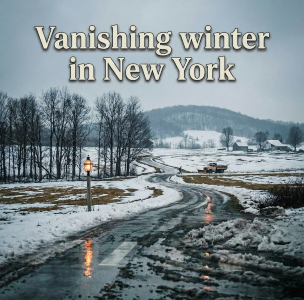
Impact on maple syrup, winter sports, blood-sucking insects, water levels, and wild fires anticipated
By Andrew Harris
National news outlet USA Today has used a massive data set to answer a common question about climate change: How have winters changed since you were a kid?
Average temperatures expected to rise 2.2% in Allegany, 2.7% in Steuben, and 3% in Yates by 2040. According to the forecasting presented, Western New York, particularly the Finger Lakes region, will experience the largest increase in average temperature in the coming decades.
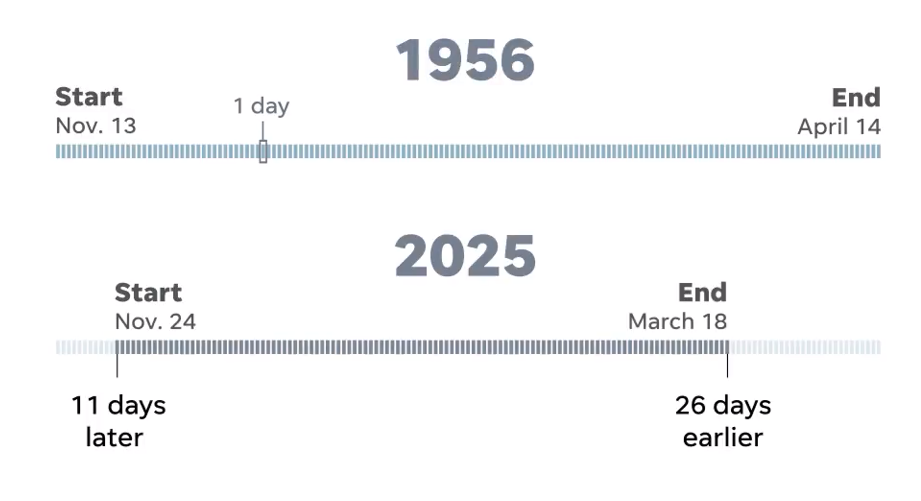
The increases correlate with another revelation from the analysis: Our winters are getting shorter and milder. Despite the bear of a winter in 2025-2026, the data since 1956 is clear: Allegany County has lost 22 days of sub-freezing weather, Steuben has lost 27 days, and in Yates County home of famous Keuka Lake, winter has subsided by nearly a month, 28 days less than when Dwight D. Eisenhauer was US President.
So when grandpa says, “These modern-day winters are nothing like when I was a kid,” it isn’t a matter exaggerated memories from childhood. We’ve lost three to four weeks of cold winter days:
The changes in average temperature and the duration of the winter season has huge impacts on life in New York.

Do you hate ticks and mosquitos ? Expect more of them, and more of the pathogens they carry like Lyme Disease and West Nile virus. The same is expected to hold true with the proliferation of invasive species like the Emerald Ash Borer, an insect that has wiped out ash trees in a matter of years. As winters shorten, the rates of transmission from insect to human is projected to jump by 20%.
Love winter sports ? Ice fishing, skiing, snowmobiling are all under threat along with the industries the pastimes support. Shortened seasons doesn’t just mean less fun, that translates into major economic challenges. Winter sports generate millions in tax revenue, create thousands of jobs, and define local economies. Think Swain or Holiday Valley, who have struggled to remain viable due to mild winters.
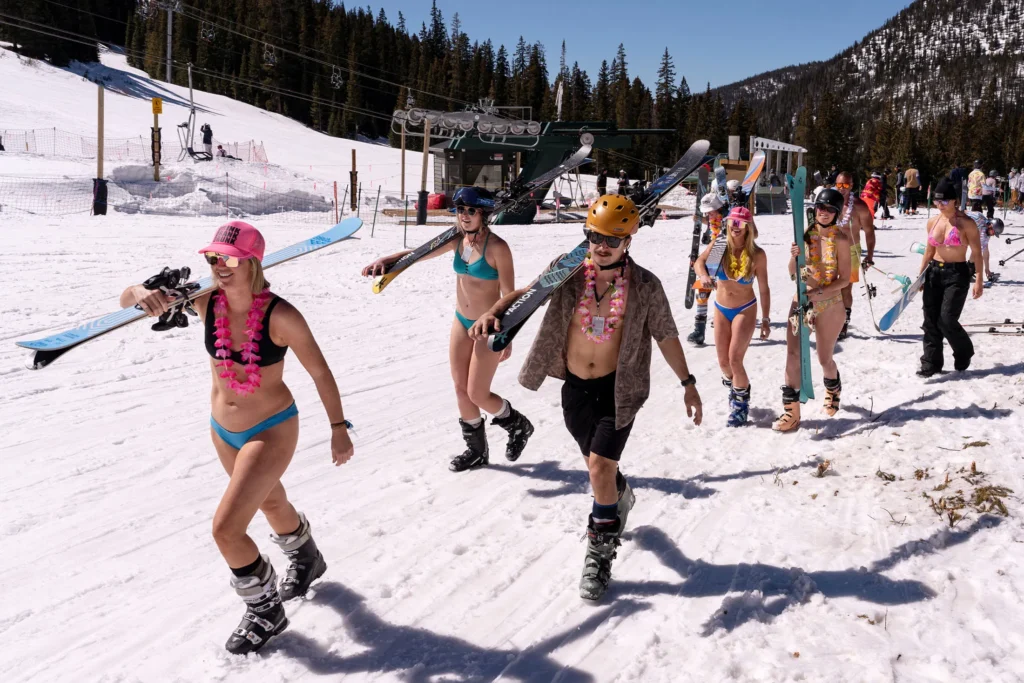
One of the most impacted industries, and part of rural life in New York, is maple syrup flowing from the “sugarbush.” As a product of the freeze-thaw cycle, maple syrup producers are understandably worried. With shrinking winters, syrup production must start earlier and the risk of temperature spikes is now an annual ritual of worry for maple producers.
Technology and taxes are central to the expected implications to the loss of winter weather.
Snowmaking machines can help keep ski resorts open. Reverse osmosis technology can make maple syrup harvesting more efficient against shrinking windows of freeze-thaw. While those offer some hope, they will inevitably lead to higher prices for pints of syrup and lift tickets.
Local budgets stand to be the biggest loser as winter recedes and temperatures keep rising. In Allegany County, Swain ski resort is a major source of sales tax revenue. Maple syrup farms, aka the Sugarbush, pay millions in property taxes, and a drop in production volume translates into a drop in tax revenue. The grandaddy of winter sports, snowmobiling had a great recent winter season, generating millions in sales, hotel, and fuel tax. In an era of inflation and skyrocketing costs for local government, decreasing revenues present a challenge that only grows with rising temperatures.
When the old timers say, “These winters are nothing like when I was kid, we walked miles in three foot snow to get to school,” it isn’t just bluster.
Read the full reporting with interactive maps from USA Today here. Search the entire nation for your county and what forecasters believe is in store through 2040.