“I dare say the monarchs were abundant”
Exploring the Western NY Wilds By Bob Confer
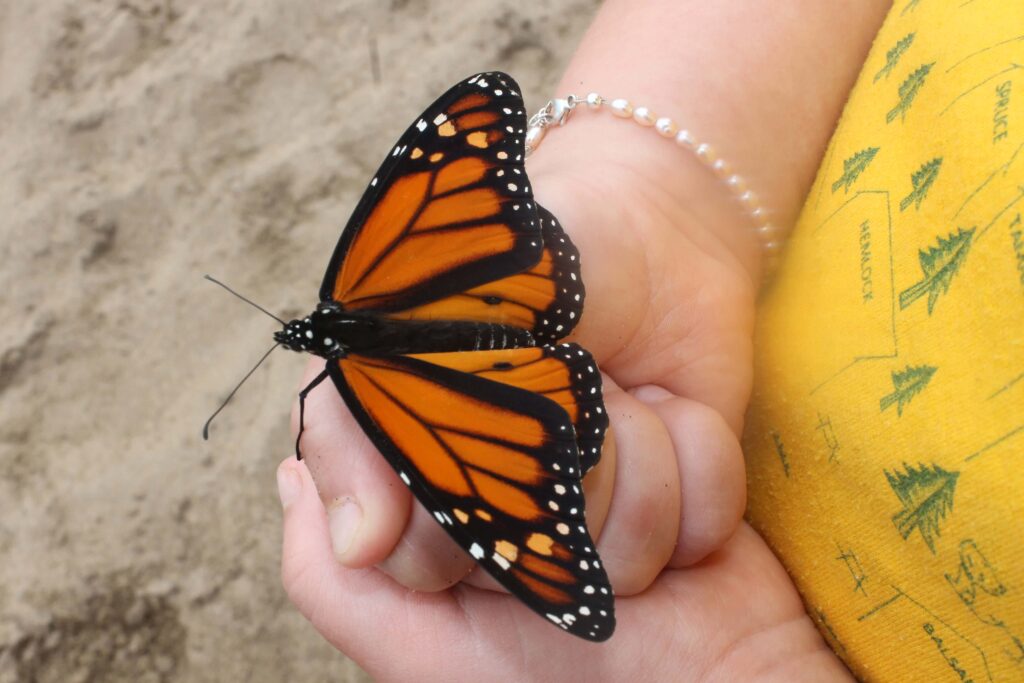
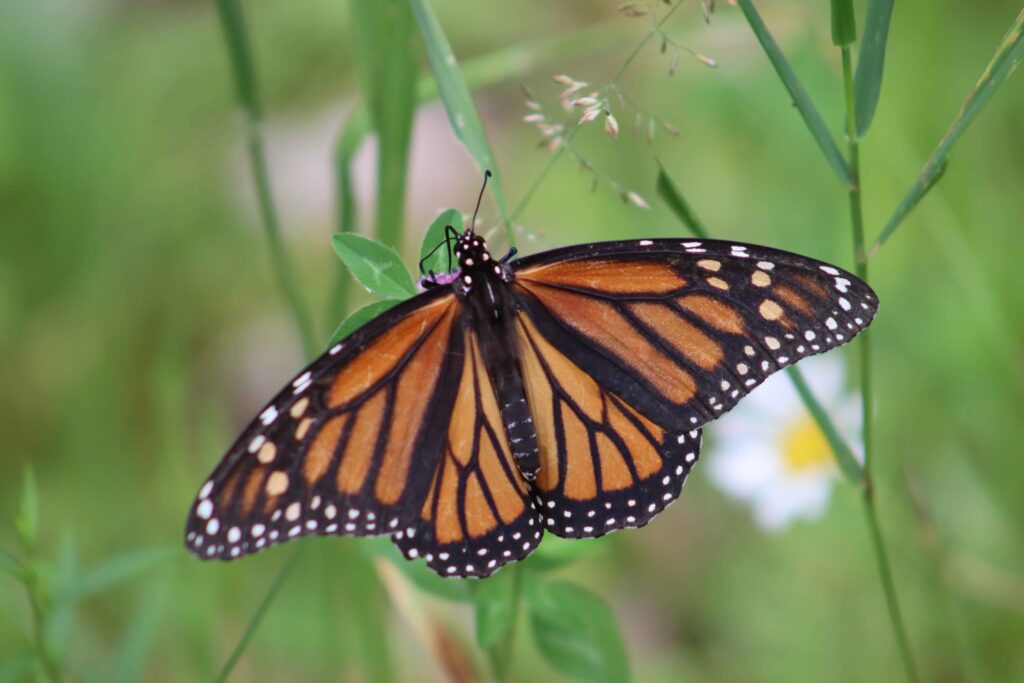
The plight of the monarch butterfly has been well documented. Their population has been in such dramatic decline that the once common insect is now listed as “endangered” under Canada’s Species at Risk Act and the US Fish and Wildlife Service has a proposed, not yet finalized, listing of “threatened”.
After observing a good seven years of increased numbers that gave me hope for recovery of the orange and black beauties, in 2024 that hope was dashed as I saw very few monarchs. As a matter of fact, over the course of the summer and fall I saw far more of their look-alike cousin, the viceroy, a butterfly that was never present in great numbers to begin with. Last year, as one would expect after such a dramatic decline, wasn’t the best year, either.
Fast forward to 2026. This year, it feels like my childhood years all over again – I dare say the monarchs are abundant. Whereas I saw fewer than a dozen two years ago, I’ve seen dozens this year. It’s not a hyper-local happening, either; I’ve seen adults and their caterpillars in good numbers in both Niagara County and Allegany County and I noticed a similar rebound during my family’s annual week in the Adirondacks last month.

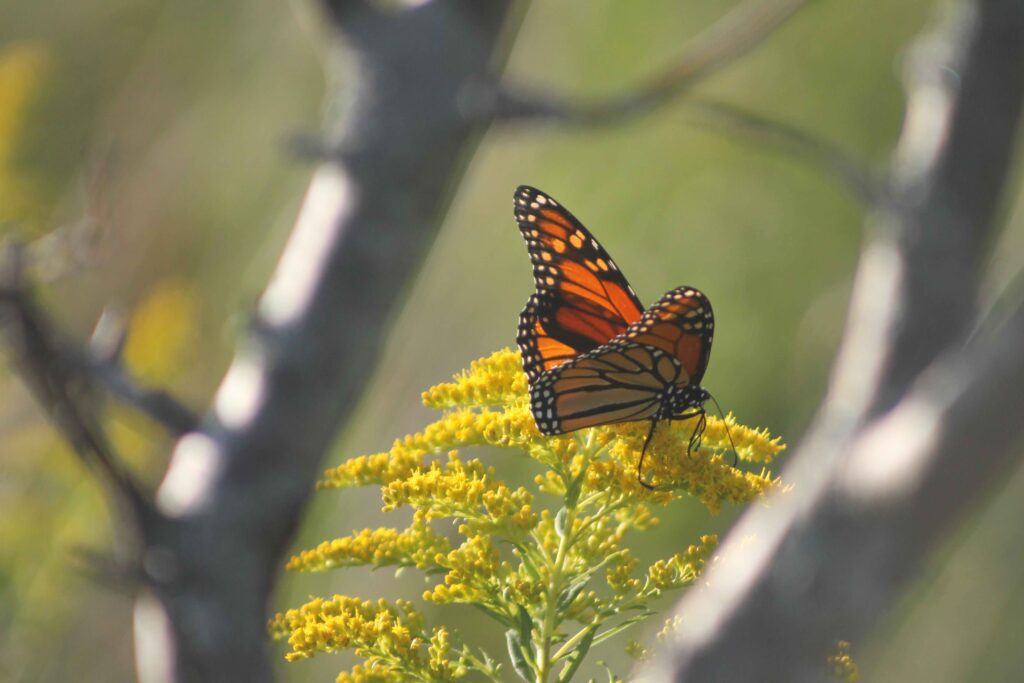
This leads me to believe that this year’s mass migration will be extraordinary. I hope I’m right because once you experience such an event it will be seared in your memories forever. Back in 2019, during just one day I stopped counting at 285 monarch butterflies in a single pasture. It was a sight to see, the monarchs feasting on the nectar of goldenrods, which energizes them for their long treks south.
It’s difficult to nail down which day exactly you might be able to see such a thing, but there is a relatively narrow window in which it could happen. From past observations, I’ve found the peak of the monarch migration to appear anytime between September 4th and September 14th in Western New York. The big sighting of 2019 occurred on September 5th, but that seemed early by 5 days.
If the later dates hold true, we might this year see the greatest numbers around September 11th. Being out in nature on that day, taking in its beauty, might be a good way to temper the heaviness and shared trauma of the terror attacks that happened 25 years ago. Nature heals.
To find monarchs, find goldenrod. Look for pastures and open spaces that have plenty of the tall plants with yellow flowers. You can find them dining an asters and Joe Pye weed, too.
For my Niagara County readers, a good place to watch the winged wonders could be Lytle Nature Preserve in the town of Lockport. They could also take a quick ride to Basom in Genesee County to stroll the vast, grassy John White Wildlife Management Area which you may remember as the state’s pheasant farm some years ago. My Allegany County readers should hike the open, less woody, stretches of the WAG Trail.
Fingers crossed for exceptional numbers during migration. It would be the capstone to an already exceptional year for the beleaguered butterfly. This is the year they’ve needed…and the year their caretakers – as growers of milkweed – have needed.
Bob Confer’s “Exploring the Western NY Wilds” is one of our most popular regular columns. Confer writes from personal experience and an ethos of constant learning. Contact him anytime at Bob@ConferPlastics.com