
Whoever came up with this hyper-retailing, mass marketing ingenuity: Damn you, but bravo
A COLUMN by Andrew Harris
Whoever started this “quishy” thing needs to write a book on how this happened. I’ve never witnessed or experienced such a overwhelming plague of consumerism. Essentially, Asian nations are buying our recycled plastic for $1, then reshaping it into some sort of handheld blob, employing genius marketing skills using platforms like Tik-Tok, and they sell it back to us for $10.
I’ve actually paid more because my child was so driven to have a “dumpling” that we ended up going to three dollar stores and all were sold out. Finally the 7-Eleven had them right in the prime location next to the register for $14.99 and sounded like a great deal at that point. Turns out it wasn’t a “real dumpling,” it was a secondary brand which stopped the incessant demands but really only opened the door to the real deal.
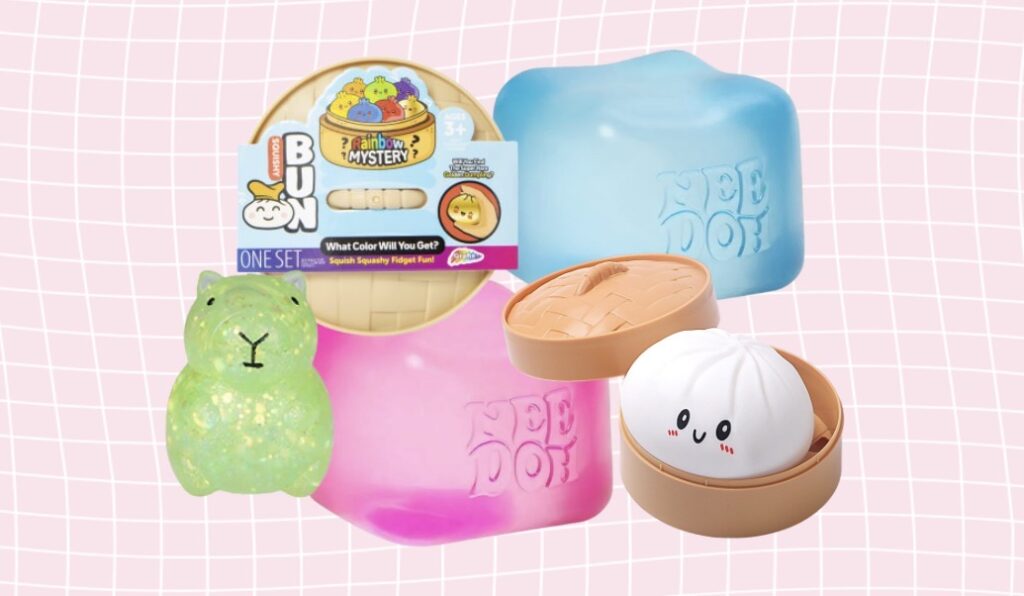
Important- What the heck is a “dumpling?” It is a plastic blob, shaped like the food, that is inside of a plastic case which represents the bamboo basket which the food is served. Below is a real dumping, and the this new plastic “squishy” version:
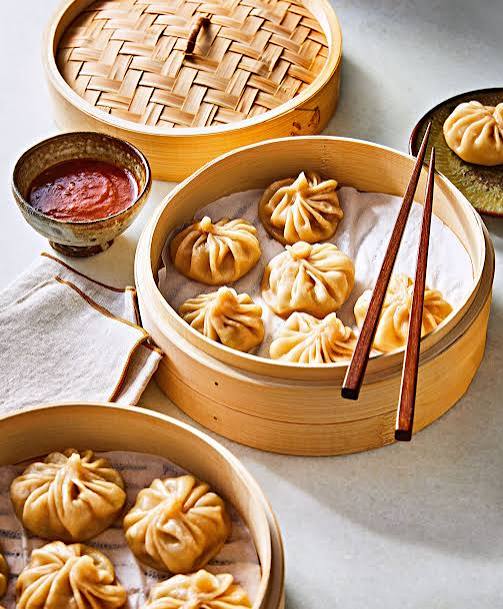
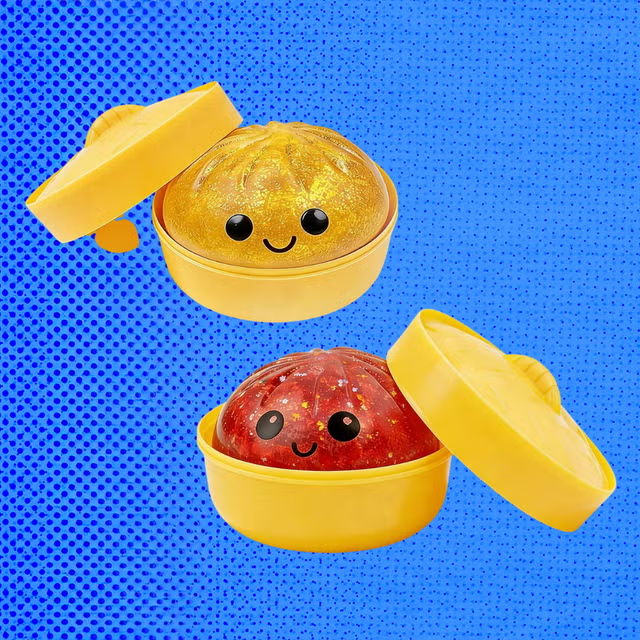
So you have the on-brand and an off-brand of a dumpling, both of which have multiple color variations, of which some variations are considered “rare” by the dumpling lovers. These “rare” versions are sold and traded between the owners at inflated values, used for blackmail purposes, used to control siblings, and some kids are making a living off the craze.

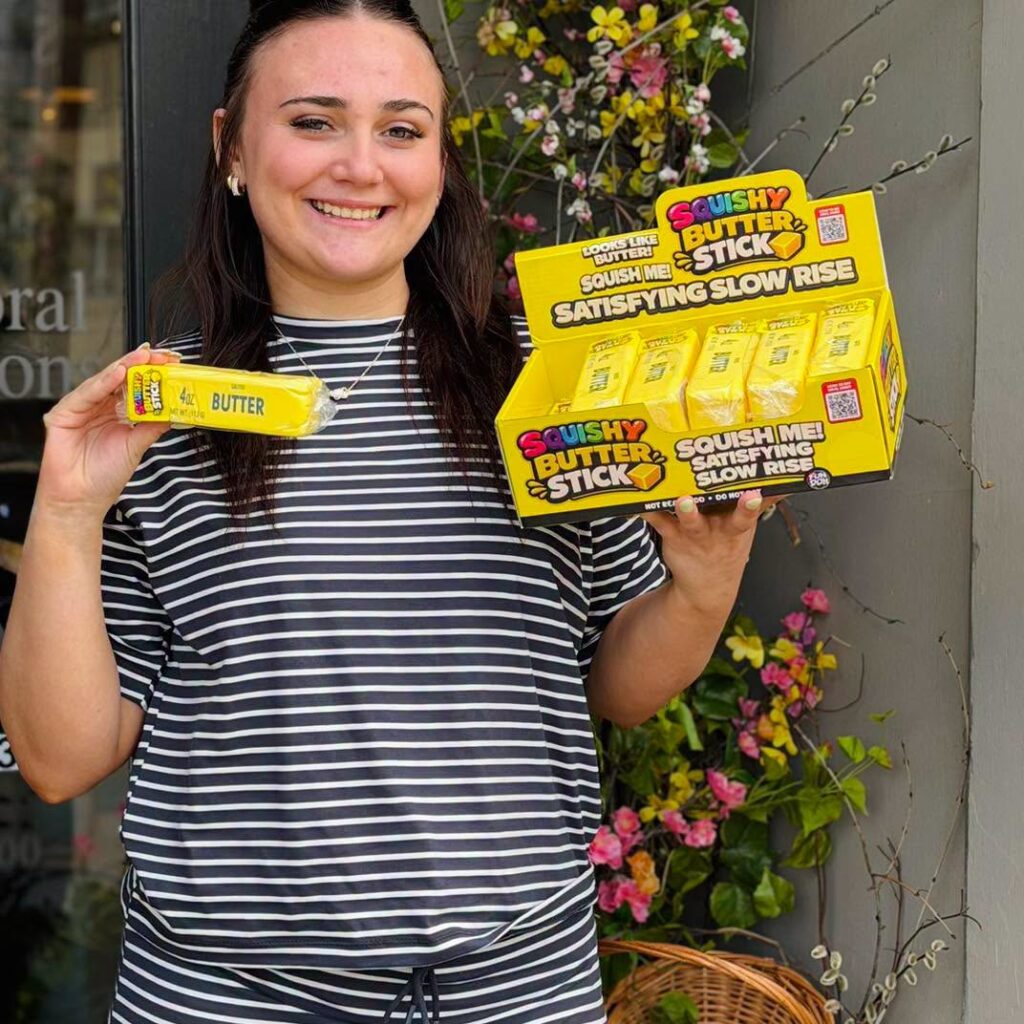
The dumpling situation is just the tip of this massive retail iceberg crashing through our societies and ripping our disposable incomes from our wallets. The plastic blobs come in several other shapes, sizes, consistencies, packaging, and branding. You’ve got Need-o/Need Dough “squishies” which are multicolored, sized, and seem to be the firmest in consistency. Then you have your “butters” which are plastic blobs shaped like sticks of butter to satisfy the apparent urge to squeeze sticks of butter in your hands. These come in varying sizes but the main differentiator is the “rise,” or how quickly the butter shaped blob returns to the original state. I’ve found out the hard way that butter sticks which have the “slowest rise,” are more valuable than butter sticks which deemed less valuable because they have a “fast rise.”
Last Christmas, the mother of the abomination of consumerism, none of these “squishies” were on wish lists. I seem to recall my first grader finding one in the cheap toy section of the grocery story and pacifying her with it. The older kids could have cared less.
Now six months later, we’ve are carrying around a bloody baker’s dozen with us, adding one every week or so after the blob pops open or is stolen and sold on the black market by a sibling. To not have these collections of plastic blobs would be embarrassing as peers are judging the value of others based on “which squishies they have.”
New versions seem to come out constantly, demanding that all retail locations be constantly monitored for new inventory.
I can recall Cabbage Patch Kids and Care Bears, and Pokemon crazes. But this has written a whole new chapter on American consumerism and how much control children have over household spending. A plastic blob, once a laundry detergent jug, and useless for anything but squeezing and as kid currency, dominating the American economy.
Whoever came up with this hyper-retailing, mass marketing ingenuity: Damn you, but bravo. As a parent, who really can’t stand the smell of a dollar store, this demand has made a mockery of my anti-consumerism sentiments before I even knew what hit me.
However this algorithm works, it should be studied and understood, then hopefully used to drive the economy in a more productive direction.
*If your kid needs a squishy so bad that they can’t stand it and you live in Wellsville, shop Tami’s Floral Expressions. Keep your dollars as local as possible.