

Early Voting is June 13 – June 20
Respectfully presented Clayton “Tiger” Hulin
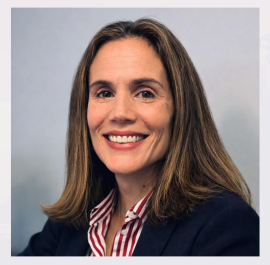
*Editors note: Three candidates are on the ballot in the upcoming Republican primary election for County Judge. Allegany County has two elected judges who oversee the most urgent matters in our county legal system. All three candidates, Allison Carrow, Dawn Wildrick Cole, and Gerald Driscoll responded to our questions below and will be presented in the order they were received.
What motivated you to seek this judicial position at this time?
The path that led me here started when a fifth-grade social studies teacher surprised us with a mock trial. I delivered a closing argument that successfully swayed a jury of my classmates, and I was hooked. Years later, I fell in love with Allegany County while attending Alfred University. The people, the place, and the strong sense of community made this exactly where I wanted to build my life. After two decades of practicing law, returning home in 2022 to serve as your Allegany County Attorney was a defining moment. Now, the time is right. I am ready to bring my decades of legal experience, my deeply rooted community values, and my faithful commitment to public service to the bench.
What aspects of your legal experience do you believe best prepare you to serve as a judge?
Over the past 21 years, I have built a career defined by public service and uncompromising legal advocacy. Before becoming your Allegany County Attorney, I served as First Assistant County Attorney in Chautauqua County, ran a private law practice in Jamestown, and advocated for our most vulnerable youth on the Attorney for Children panel. Today, as Chief Legal Counsel for Allegany County, I manage complex litigation in both state and federal courts, advise the legislature, and ensure our county operates lawfully and fairly. I don’t just practice law; I manage the legal framework of our community. That executive leadership, combined with thousands of hours spent litigating in Family, Supreme, and County courts, makes me uniquely prepared to step into the role of County Court Judge with the competence and steady judgment Allegany County deserves.
Within the ethical limits governing judicial campaigns, how would you describe your approach to interpreting and applying the law?
My judicial philosophy is anchored in a strict, impartial application of the law. Throughout my career in the public sector, I have repeatedly taken an oath to uphold the United States Constitution and the laws of New York State. These are not simply words that I recite – they are responsibilities that I take seriously. The Judge’s role is to understand the history and statutory intent of our laws, not to rewrite them. In every case that comes before me, I will conduct a rigorous, unbiased review of the facts and apply the law as it is written. Justice requires total objectivity, and my courtroom will be governed entirely by facts, precedent, and an unwavering commitment to fairness.
What principles would guide the way you intend to treat litigants, attorneys, court staff, and members of the public who appear in your courtroom?
The foundation of my courtroom will be the Golden Rule: treat others exactly as you wish to be treated. The way a judge manages their courtroom speaks directly to their character and their respect for the public they serve. Regardless of the case, every litigant, attorney, court staff member, and citizen who walks through the doors of the Allegany County Court will be met with courtesy, respect, and patience. When someone has the floor in my courtroom, they will be fully heard, without interruption.
Public trust in the judiciary is essential. What steps do you believe judges can take to maintain confidence in the fairness, integrity, and independence of the courts?
Public trust is the bedrock of the judiciary, and it is earned every day. First and foremost, a judge must remain fiercely independent, nonpartisan, and completely unbiased. Beyond judicial temperament, we build trust through proactive transparency. I am committed to maintaining open public access to all permissible court proceedings. Furthermore, I believe the courts must be accessible to everyone. That could mean expanding the use of audiovisual and remote proceedings to accommodate rural residents with transportation or mobility challenges and ensuring that self-represented litigants are clearly guided toward the legal resources available to them. A transparent, accessible court is a trusted court.